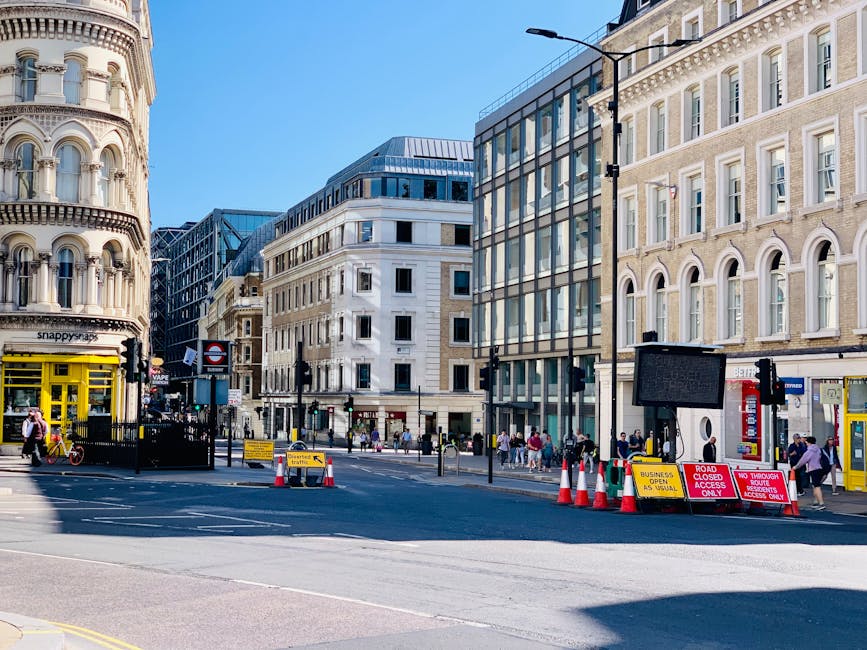
Shaftesbury Avenue removals access and timing issues

If you are planning a move near Shaftesbury Avenue, you already know this is not a "turn up and unload" kind of job. Tight pavements, busy traffic, loading restrictions, theatre schedules, delivery windows and impatient pedestrians can all collide at once. That is exactly why Shaftesbury Avenue removals access and timing issues need proper thought before moving day, not after the van has arrived and everybody is standing around wondering where the best place to stop actually is.
In this guide, we break down what these access and timing issues really mean in practice, how they affect house and office moves, and what you can do to avoid expensive delays. You will also find a clear checklist, a comparison of moving methods, and a few grounded tips from real-world London moving situations. Let's face it, central London has a habit of making simple jobs feel a bit more complicated than they should be.
Expert summary: the best moves on Shaftesbury Avenue are usually the ones planned around access first and packing second. If the vehicle cannot stop safely, the lift is too small, or the time slot is wrong, even a well-packed move can drag on. Plan the route, confirm the loading point, and build a little breathing room into the schedule.
Why Shaftesbury Avenue removals access and timing issues Matters
Shaftesbury Avenue sits in one of the busiest parts of central London, so access is rarely straightforward. You are dealing with narrow streets, heavy footfall, taxis stopping unexpectedly, servicing bays, and buildings that may look simple from the street but hide awkward entrances, steps, or lift restrictions inside. On a good day, that means a bit of patience. On a bad day, it means a delayed van, extra carrying distance, and a chain reaction of small problems.
Timing matters just as much as access. A perfectly parked removal truck is still a problem if it arrives during a peak congestion period, outside the building's allowed moving window, or when the loading space is already occupied. In practice, the difference between a smooth move and a stressful one often comes down to whether the move is scheduled around the street, the building, and the local flow of traffic rather than around the ideal time on the calendar.
This is especially relevant for flats above shops, office spaces, and mixed-use buildings. One entrance might be shared with businesses, another might be tucked down a side street, and the only workable loading spot may be a short walk away. People often underestimate this. You can hear the trolley wheels clattering over the pavement, feel the pressure of the clock, and suddenly even a few extra metres matter a lot.
Good access planning protects your furniture, reduces labour time, and helps prevent awkward hold-ups with neighbours, landlords, or building managers. It also gives you a better grip on the moving day budget, because the longer a crew has to wait or carry items by hand, the more likely the job becomes less efficient. Not always more expensive, but often slower. And slow is where stress creeps in.
How Shaftesbury Avenue removals access and timing issues Works
Think of a central London move as a small logistics project. First, there is the street layer: can a van stop close enough to the property without blocking traffic, causing a complaint, or breaching a building restriction? Then there is the building layer: is there a lift, are there stairs, is the corridor wide enough, and does the moving team need to protect walls, floors, or shared entrances?
After that comes the timing layer. Many properties and businesses in central London have preferred move windows for practical reasons. Some want early morning starts to avoid crowds; others need a late afternoon slot so the building is clear before the evening rush. Offices may need weekend or out-of-hours moves to reduce disruption. Residential buildings may have limits set by managing agents. None of this is unusual, but it does need checking properly.
The challenge on Shaftesbury Avenue is that access can change from hour to hour. A loading bay may be free in the morning and unavailable by midday. A route that looks fine on a quiet Sunday can be much harder on a weekday when deliveries, theatre visitors, and black cabs all appear at once. Truth be told, a removal plan here should never rely on optimism alone.
In practical terms, good movers will normally assess:
- the exact collection and delivery addresses
- street width and stopping options
- any loading restrictions or time limits
- lift size, stair access, and internal carrying distance
- parking or waiting options for the vehicle
- the volume and fragility of items being moved
- whether the job needs packing, dismantling, or storage support
If you are comparing services, it helps to look beyond just the truck. A move may also need packing help, careful handling for bulky items, or temporary storage if keys are delayed. For some moves, a simple man and van service is enough. For others, especially larger homes or offices, full removal services make more sense because the planning burden is shared rather than dumped on you.
Key Benefits and Practical Advantages
When access and timing are handled properly, the benefits are not abstract. You feel them on the day. The job starts on time, the team spends less energy on workaround carrying, and there is less chance of rushed handling at the worst possible moment.
Here is what good planning usually gives you:
- Less waiting time. A pre-checked slot means the vehicle is more likely to arrive when it can actually use the loading area.
- Lower risk of damage. Fewer awkward manoeuvres mean less chance of scraping walls, doors, or furniture.
- Better labour efficiency. If the lift works, the route is clear, and the stop is sensible, the team can keep momentum.
- Reduced stress. You are not trying to solve street-level problems while also dealing with keys, inventory, and phone calls.
- Cleaner communication. Everyone knows the plan, so there is less confusion between the mover, the building contact, and you.
There is also a budgeting advantage. Removal companies usually need to factor in time, access difficulty, carrying distance, and parking realities. When those details are clear early, the quote is usually more realistic. If they are hidden until the day, you can end up with a move that feels like it is constantly adapting. That is never ideal.
Another overlooked benefit is neighbour goodwill. In busy mixed-use areas, a tidy, timely move is noticed. If the team keeps the pavement clear, avoids unnecessary noise, and works within the agreed window, that helps enormously. Small thing, but it matters.
Who This Is For and When It Makes Sense
This topic matters for more people than you might think. It is not just for large office relocations or luxury flat moves. Any move touching Shaftesbury Avenue or the surrounding central London streets can run into access and timing friction.
You will find this especially useful if you are:
- moving into or out of a flat above shops
- relocating an office, studio, or small commercial space
- moving on a tight completion day schedule
- dealing with a building manager who has strict loading rules
- moving larger furniture into a property with awkward stairs or a tiny lift
- trying to coordinate a same-day move with key collection
- handling a move that needs short-term storage because of delays
It also makes sense if you are not sure whether to use a smaller vehicle, a full-size removals truck, or a hybrid approach. Sometimes a full truck cannot stop close enough, which makes a smaller vehicle or a phased move a better choice. That is where a bit of local realism saves a lot of time.
If your move involves office furniture, filing cabinets, IT equipment, or multiple team members, you may want to look at office removals rather than treating it like a standard domestic job. Similarly, if you are moving a full home, home moves can be a better fit because they account for the volume, pace, and handling demands of a larger household move.
And if your move is more compact, say a one-bed flat or a short-notice transition, flat removals may be more practical. Different move types, different access headaches. Same street, same city, different reality.
Step-by-Step Guidance
A sensible move plan on Shaftesbury Avenue starts well before moving day. Not glamorous, perhaps, but very effective.
- Check the exact addresses and entrances. Do not assume the front door is the loading point. In central London, the practical entrance is often around the side or through a shared access route.
- Confirm building rules early. Ask about move-in or move-out windows, lift reservations, and any restrictions on parking or access equipment.
- Review the street conditions. Look at loading availability, road width, nearby bus stops, pedestrian traffic, and whether there is a realistic place for the van to pause.
- Choose the right vehicle size. Bigger is not always better if the van cannot stop where it needs to. Sometimes a smaller van plus more precise scheduling works much better.
- Build the move around the timing window. If the building only allows a certain slot, work backwards from that. Do not leave it until the last minute.
- Pack for quick handling. Label boxes, keep essentials separate, and make sure fragile items are clearly identified.
- Allow for delays. A lift could be occupied, a loading bay may be blocked, or traffic may slow the start. Leave yourself some slack. Honestly, you will be glad you did.
- Confirm the final plan the day before. A short call or message can catch problems that were not obvious at booking stage.
A move with good sequencing feels surprisingly calm. One item after another. No scrambling. No mystery about who is doing what. And if you have ever tried to carry a sofa around a narrow inner-London stairwell while someone is asking whether the van has arrived yet, you will know how quickly chaos can get a foothold.
If you need packing support, it can be worth using packing and unpacking services so the team can prepare items in a way that suits the move order. That is often underestimated. Good packing is not just about protection; it helps the load-out happen faster and more neatly.
Expert Tips for Better Results
These are the sorts of small decisions that save you hours later.
- Scout the street at the same time of day as your move. A road that looks calm at 10am may be much less manageable at 3pm.
- Take photos of the frontage, entrance, and lift. These help the removals team judge access before arrival.
- Check whether a second person is needed for parking or guiding. In tight streets, a good banksman-style spotter can be worth their weight in gold. Not dramatic, just useful.
- Separate essentials from the main load. Keep keys, documents, chargers, and basic toiletries with you.
- Protect floors and door frames in advance. Shared hallways and stairwells on central London properties can be sensitive to scuffs.
- Plan for deliveries and collections nearby. If other works are happening in the building, timing can collide in annoying ways.
One practical tip that people often miss: if your moving date is linked to a property completion, do not plan the removal van as though key release is guaranteed at a neat, exact minute. Sometimes the solicitor chain runs late. Sometimes it does not. Either way, the van should have a workable arrival window, not a fragile one.
Another good habit is to speak plainly about access. If there are three flights of stairs, say so. If the lift is tiny, say that too. Nobody enjoys surprises on moving day, especially the kind that involves a wardrobe being rotated at an angle that defies common sense.
Common Mistakes to Avoid
Most access and timing problems are avoidable. The trouble is, people only realise that after a delay has already started.
- Assuming access will be easy because the map looks short. Central London is not a straight-line exercise. A 200-metre walk with boxes can be more punishing than a much longer but vehicle-friendly route.
- Forgetting to check loading restrictions. A spot that seems available may have time limits or permit rules.
- Underestimating internal obstacles. Steps, lifts, narrow landings, and awkward door frames all add time.
- Not warning the removals team about large items. Pianos, American-style fridges, heavy desks, and antique wardrobes are not things to spring on anyone at the door.
- Leaving packing until the morning. That almost always makes the day feel rushed.
- Booking without allowing for traffic. Shaftesbury Avenue can be lively, and not in the relaxing sense.
- Using the wrong size vehicle. Too large can mean access trouble; too small can mean extra trips. Neither is ideal.
There is also a softer mistake: not asking enough questions. People sometimes worry about sounding fussy. But honestly, a good removals plan depends on details. The more precise you are, the better the job can be shaped around the street and the building.
Tools, Resources and Recommendations
You do not need fancy software to plan a move well, but a few practical tools help more than you might expect.
- A simple moving checklist. Keeps the work in order and reduces last-minute panic.
- Phone photos and short videos. Useful for showing entrances, stairwells, and tight corners.
- Box labels by room. Makes unloading faster and avoids the "where does this go?" pause every five minutes.
- Floor plans or rough sketches. Very useful for office relocations and larger homes.
- Calendar reminders. Handy for building move windows, utility handovers, and key collection times.
- Storage planning. Worth considering if completion dates or access windows are uncertain. The page for storage is useful when you need flexibility between properties.
For special items, choose specialist handling rather than hoping for the best. A piano, for example, is not just another bulky object. It needs proper lifting discipline, sensible routes, and calm handling. If that is on your list, piano removals is the kind of support that can prevent a very expensive mistake.
Likewise, if you only need a lighter-touch move with a small crew, a removal van or removal truck hire may be more practical than over-specifying the job. The right tool is the one that fits the route, not just the one that looks impressive parked outside.
Law, Compliance, Standards, or Best Practice
Moves in central London are not just logistical; they also need to respect building rules, road use expectations, and basic safety practice. You do not need to become a legal expert, but you do need to take compliance seriously enough to avoid avoidable problems.
At a practical level, that usually means checking:
- whether the building requires advance notice for removals
- whether a parking or loading restriction applies
- whether access times are limited by lease, management, or house rules
- whether the move could affect neighbours, tenants, or nearby businesses
- whether the removals provider has appropriate insurance and safe handling procedures
Reputable movers should also have clear health and safety practices, especially for manual handling, stair use, and protecting common areas. If you want to understand how a provider approaches that side of the work, their health and safety policy and insurance and safety information are worth reviewing before you book.
For customer expectations and service terms, it is sensible to read the terms and conditions and, if relevant, the pricing and quotes information. That gives you a clearer picture of what is included, what may cost extra, and how changes to the moving schedule are handled. No one likes surprises on invoice day. No one.
Finally, a note on access etiquette: keep communal spaces clear, avoid blocking fire exits, and protect shared surfaces where possible. Small acts of care go a long way in buildings where people live and work close together.
Options, Methods, or Comparison Table
There is no single best way to handle a move around Shaftesbury Avenue. The right method depends on distance, volume, access difficulty, and the flexibility of your timing.
| Method | Best for | Strengths | Trade-offs |
|---|---|---|---|
| Man and van | Smaller moves, short notice, lighter loads | Flexible, often easier to fit into tight streets, quick for compact jobs | Limited space, may need extra trips for bigger moves |
| Full removals service | Larger homes, offices, complex loads | More hands, better for planning and handling heavy items | May need more coordination and clearer booking windows |
| Van plus storage | Delayed keys, phased moves, uncertain completion dates | Reduces pressure when timing slips | Extra step in the process, can add cost and logistics |
| Specialist item handling | Pianos, antiques, bulky furniture, fragile assets | Better protection for awkward or valuable items | Requires accurate information and possibly more preparation |
If your move is more time-sensitive than volume-heavy, a smaller, more nimble setup can work well. If the property has lots of furniture or shared access complications, a fuller crew is often the calmer choice. Sometimes people try to save money by going too small, only to lose it again in time and stress. Bit of a false economy, that.
Case Study or Real-World Example
Imagine a couple moving out of a flat near Shaftesbury Avenue on a weekday morning. They have a standard one-bed flat, but the building entrance is shared with a commercial unit, the lift is small, and the only realistic loading point is a short distance away from the door. On paper, it looks manageable. In reality, the timing window is tight because the building manager only allows moves before lunchtime.
They also have a sofa that will not fit through the lift, a chest of drawers with loose handles, and a few fragile boxes that were packed after a late night and not especially carefully, if we are being honest. The removals team arrives on time, but the loading bay is already occupied for a few minutes. Without a buffer, that would have derailed the whole morning.
Because the move was planned properly, the team had a smaller vehicle, the boxes were labelled by room, and the couple had already separated the essential items they needed to keep with them. One mover handled the lift, another managed the street-level loading, and the third kept an eye on the route. The move still had a few awkward moments. Of course it did. But it stayed controlled.
The key lesson is simple: the smoothest Shaftesbury Avenue move is not necessarily the easiest-looking one. It is the one where access, timing, and crew size are aligned before the first box comes out of the door.
Practical Checklist
Use this before moving day. Print it, copy it into your phone, scribble on it. Whatever works.
- Confirm the exact collection and delivery addresses
- Check whether the entrance is front, side, or rear access
- Ask about loading restrictions and move windows
- Reserve lifts if the building requires it
- Measure bulky furniture and awkward items
- Tell the removals team about stairs, narrow corridors, or low ceilings
- Choose the right van or truck size
- Pack fragile items clearly and separately
- Label boxes by room and priority
- Keep documents, keys, chargers, and medication with you
- Plan for traffic and allow a time buffer
- Protect floors and communal areas if needed
- Confirm the final timing the day before
- Have a backup plan if key handover runs late
Quick reminder: if you have a move involving furniture, heavy items, or mixed access conditions, it is usually worth speaking to a provider that offers broader support such as house removals, furniture removals, or even furniture pick up if you are clearing items rather than relocating everything.
Conclusion
Shaftesbury Avenue removals access and timing issues are not just a minor detail; they are the backbone of a successful move in this part of London. If you get the access wrong, everything gets harder. If you get the timing wrong, even a simple move can become messy. But when you plan around the street, the building, and the real pace of central London, the whole process becomes much more manageable.
The main takeaway is straightforward: check the route, respect the time window, choose the right vehicle, and be honest about the physical layout. That alone prevents a surprising number of headaches. If the move is large, awkward, or time-sensitive, bring in proper help early rather than trying to improvise on the day.
If you are still weighing up your options, take one more look at the practical services available, compare them against your building rules, and choose the setup that fits the day you are actually going to have, not the one you hope for. A calm move in central London is possible. It just needs a bit of planning, a clear head, and a touch of realism.
Get a free quote today and see how much you can save.
Frequently Asked Questions
What are Shaftesbury Avenue removals access and timing issues?
They are the practical challenges involved in getting a removal vehicle close enough to the property and scheduling the move at a time that works with traffic, building rules, and loading restrictions.
Why is Shaftesbury Avenue harder for removals than quieter streets?
Because it is in a busy central London area with more traffic, more pedestrians, tighter stopping options, and more chance that loading space will be taken when you arrive.
Should I book a smaller van for a move near Shaftesbury Avenue?
Sometimes yes. A smaller van can be easier to position in tight streets, especially if stopping space is limited. The right size depends on volume, access, and the number of trips you want to avoid.
How far in advance should I plan access and timing?
As early as possible. Even simple moves benefit from advance checks, while flats, offices, and larger households should usually confirm the details well before moving day.
Do I need to tell the removals company about lift size and stairs?
Yes. Those details affect labour, timings, equipment, and whether certain items can be moved safely without dismantling.
What if the loading bay is already occupied?
That is why a buffer matters. The crew may need to wait briefly, use an alternative stopping point, or adjust the sequence of loading. A calm plan helps here.
Can office moves near Shaftesbury Avenue be done after hours?
Often they can, if the building and the removals provider are set up for it. Out-of-hours moves are common in commercial settings because they reduce disruption.
Is storage useful if the timing does not line up?
Yes, especially if there is a delay with keys, completion, or access to the new property. Temporary storage can take pressure off the moving day.
What should I ask before booking a removals service?
Ask about access checks, vehicle size, timing flexibility, insurance, handling of fragile or bulky items, and whether packing or storage support is available.
How do I avoid delays on moving day?
Confirm the building rules, pack early, label everything clearly, share accurate access details, and allow extra time for traffic and loading complications.
What if my move involves heavy or awkward furniture?
Tell the provider in advance. Items such as pianos, large wardrobes, or oversized sofas often need specialist handling and more careful route planning.
Where should I start if I am unsure which moving option fits my job?
Start by matching the service to your access, timing, and volume. A small flat move may suit a lighter setup, while a full home or office move may need a broader service and more structured planning.