Commercial Moves in Soho
Commercial moves in Soho need careful planning, local know-how, and a team that understands how busy central London can be. Soho is unlike many other parts of the city: streets are tight, access can change quickly, buildings vary from modern office floors to older converted spaces, and timing often matters as much as manpower. Whether you are moving a creative studio, a small office, a retail unit, a hospitality business, or a mixed-use commercial space, the right moving plan can reduce disruption and help your team get back to work sooner.
For local businesses, a move is never just about shifting boxes. It is about keeping operations organised, protecting equipment, handling furniture carefully, and making sure everything arrives where it should. In a district like Soho, where foot traffic is constant and loading space can be limited, a commercial relocation has to be managed with real attention to detail. If you are preparing for an office relocation, shop move, or business transfer in Soho, this page explains what the service involves, what to expect, and why a local team can make a meaningful difference.
Many customers looking for commercial moving services in Soho are balancing multiple priorities at once: keeping staff informed, avoiding unnecessary downtime, planning around building access, and making sure the move stays as orderly as possible. That is why it helps to work with a mover that understands central London commercial property, from narrow side streets near Dean Street and Frith Street to busier routes around Oxford Street, Tottenham Court Road, and the edges of Covent Garden, Fitzrovia, and Mayfair.
Why Soho moves require a different approach
Soho is one of London’s most active commercial districts, and that creates unique moving challenges. The area is dense, highly trafficked, and full of businesses that often operate on tight schedules. A move here is rarely as simple as parking outside a building and carrying items in and out. Instead, it may involve coordinating access windows, navigating pedestrian-heavy streets, dealing with building management, and planning routes that suit larger vans or multiple smaller runs.
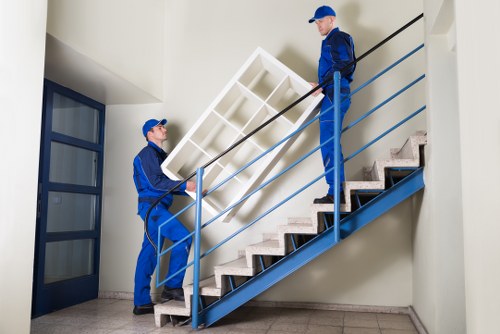
Commercial relocations in Soho often involve premises that have been adapted over time. You may find offices above retail units, creative spaces in converted buildings, shared floors with restricted lifts, or hospitality premises with awkward storage areas and back-of-house access. This makes careful surveying important. A local team can identify practical issues early, such as stair access, lift dimensions, the need for protectors, or the best route for moving fragile equipment.
Timing is also a major factor. Many businesses prefer to move outside peak trading hours, and in Soho that can mean early mornings, evenings, or weekends. A good moving plan takes into account the rhythm of your business, the needs of neighbouring tenants, and any restrictions set by your building or landlord. When the move is organised properly, it is easier to keep staff productive and reduce interruption to customers.

What our commercial move service can include
Every business is different, so the right service should be flexible enough to fit your premises, your equipment, and your timeline. A typical commercial move in Soho may include packing support, dismantling and reassembly of furniture, safe transport, loading and unloading, and placement of items in the new workspace. For some customers, the move may also include careful handling of IT equipment, archive materials, stock, display units, or specialist items that need extra care.
Businesses often ask whether they need a full-service move or just transport support. That depends on the size of the premises, how much needs to be packed, and how much help your team can provide. Some companies want a managed relocation from start to finish, while others only need support with the heavy lifting and transport. The most useful service is the one built around your actual needs.
Here are some of the things commonly included in a Soho commercial moving service:
- Pre-move planning and site assessment
- Packing supplies and labelling support
- Furniture disassembly and reassembly
- Safe handling of office equipment and commercial fixtures
- Loading, transport, and unloading
- Placement of items by room, department, or floor
- Move-day coordination for building access and timing
- Optional support for fragile, bulky, or specialist items
For many local customers, the biggest benefit is not just the physical move, but the calm and structure that comes with having a clear plan. When people know where items are going, who is handling them, and what needs to happen next, the whole relocation becomes much easier to manage.

Commercial property types we regularly help with in Soho
Soho has a wide mix of property types, and each one can present different challenges during a business move. A small agency on an upper floor will not have the same needs as a restaurant changing location or a retail shop preparing to reopen. That is why a local team should always take the premises into account rather than applying the same process everywhere.
Common commercial move types in Soho include:
- Office relocations for agencies, consultancies, production teams, and professional services
- Retail moves for boutiques, specialist stores, and customer-facing businesses
- Hospitality moves for cafés, restaurants, bars, and event spaces
- Studio and creative workspace moves for designers, media teams, and production companies
- Mixed-use premises where business and storage areas need to be moved in stages
Some properties in Soho are located in older buildings with narrow corridors, compact staircases, or limited loading access. Others sit in newer developments with lifts and managed entry systems. In either case, a mover needs to know how to protect the building, move efficiently, and work with the restrictions in place. That is especially important when there are shared entrances, nearby businesses, or sensitive equipment in the building.
If your business is moving between Soho and nearby districts such as Fitzrovia, Covent Garden, Mayfair, Marylebone, or St James’s, the same practical considerations usually apply. Central London routes can be straightforward on paper but complicated in reality, especially when traffic, delivery schedules, and parking restrictions come into play.

Why choose a local Soho moving team?
Working with a local team can save time and reduce stress because local movers understand the practical realities of the area. That local knowledge matters when loading bays are tight, roads are busy, and the best access route is not obvious. It also helps when you need a team that can adapt quickly if a building manager changes the entry point, if a lift is unavailable, or if a street closure affects the original plan.
Local experience is valuable for commercial moves in Soho because the area often demands flexible problem-solving. A team familiar with central London business districts can think ahead about parking, protective coverings, timing, and the best way to move items safely from one floor to another. This is particularly useful for businesses with valuable equipment, limited downtime, or time-sensitive reopening plans.
There is also a customer-service benefit to choosing a mover who regularly works in the area. They are more likely to understand the pressures local businesses face, from quietening the move around trading hours to handling last-minute adjustments. For customers who want a move handled with efficiency and care, that practical experience makes a real difference.
In a place like Soho, where every street can feel different, a local mover can help you choose the most sensible schedule, discuss access concerns in advance, and minimise avoidable disruption. That can be especially important for businesses near busy routes such as Charing Cross Road, Wardour Street, Shaftesbury Avenue, and the streets between Oxford Circus and Leicester Square.

How the commercial moving process usually works
Most customers want a move that feels organised from the start. A well-planned commercial relocation usually follows a clear process, beginning with an assessment of the premises and a discussion about what needs to be moved. From there, a moving plan can be shaped around the size of the job, the type of equipment involved, and the access conditions at both locations.
Typical steps in a Soho commercial move:
- Initial discussion — understanding the size of the move, the type of business, and your preferred timing
- Site review or move assessment — checking access, item volume, building rules, and any special requirements
- Planning and preparation — setting packing, labelling, and move-day responsibilities
- Move day — loading, transport, unloading, and careful placement at the destination
- Final positioning — arranging furniture or equipment so the space can be used as quickly as possible
For businesses with critical operations, it can be helpful to split the move into phases. For example, a company might relocate archive material or stock first, then follow with desks, IT, and meeting-room furniture. In a busy district like Soho, a phased approach can reduce pressure and help staff settle in with less disruption.
It is also worth thinking about who does what on the day. Having one nominated point of contact on your side can make decision-making easier and prevent confusion if anything changes. When everyone understands the plan, the move tends to run more smoothly and safely.
Preparation checklist for business customers
Good preparation can save time on the day and reduce the risk of items being misplaced or delayed. Whether you are moving a small office or a larger commercial unit, it helps to prepare well in advance. The goal is to make sure the moving team can work efficiently and your staff can find what they need afterwards.
Before your move, consider the following checklist:
- Confirm the moving date, access times, and any building restrictions
- Identify items that need special handling, such as computers, screens, printers, or delicate stock
- Back up digital files and make sure devices are properly shut down
- Label boxes by department, room, or priority level
- Separate items that are staying, being moved, or being disposed of
- Notify staff about the move plan and their responsibilities
- Arrange keys, fobs, or access permissions for both locations
- Check whether the new premises need protective floor coverings or furniture layout planning
It is also sensible to review anything that should not be mixed in with the move. Important documents, confidential records, and sensitive devices may need to be handled separately. Some businesses in Soho prefer to keep a small essentials kit on hand for opening day, including chargers, tools, stationery, cleaning items, and the most-used office supplies.
Preparation does not need to be difficult, but it should be deliberate. A little organisation before the move can make the difference between a chaotic first day in the new premises and a clean, workable handover.
Parking, access, and loading challenges in Soho
Anyone familiar with Soho knows that access is often the most complicated part of the move. Streets can be narrow, parking can be limited, and loading opportunities may depend on the exact time of day. This is one reason local commercial moving services are so useful: they are used to planning around real central London conditions rather than assuming easy curbside access.
Buildings in Soho may have no dedicated loading area, or they may require coordination with building management before any items can be brought in or out. If your premises are in a shared block, your mover may need to work around lift bookings, concierge procedures, or specific delivery rules. In other cases, there may be steps at the entrance, restricted corridors, or a need to protect communal areas during the move.
Parking and access issues should be discussed early. That gives the moving team time to plan the right vehicle size, estimate the labour required, and choose the best route for transport. It also reduces the risk of last-minute delays, which can be particularly costly for customer-facing businesses that need to reopen quickly.
If your business is based near theatre districts, nightlife venues, or high-footfall retail streets, timing becomes even more important. A move can sometimes be scheduled to avoid your busiest periods, but it still needs to respect local restrictions and neighbours. Careful planning helps protect both your business and the wider building or street environment.
What affects the cost of a commercial move?
Pricing for commercial relocations depends on a range of practical factors rather than a single flat figure. Businesses often want to know what influences the quote so they can plan with confidence. A transparent mover should be able to explain the main variables clearly, even if the final cost depends on a site assessment or more detailed information.
Common pricing factors include:
- The size of the premises and volume of items to be moved
- The number of floors, stairs, or lift restrictions involved
- The distance between the old and new locations
- Whether packing, dismantling, or reassembly is required
- The need for specialist handling of equipment or fragile items
- Access conditions, parking difficulties, and loading arrangements
- The timing of the move, including out-of-hours or weekend work
For businesses in Soho, access conditions can have a major impact on the amount of labour and time needed. A move that looks small on paper may take longer if equipment has to be carried through multiple entrances, along narrow stairs, or between busy public areas. That is why a detailed discussion before booking is so helpful.
Requesting a quote early gives you a better chance to compare options and prepare properly. It also allows time to coordinate with building managers, staff, and suppliers before moving day arrives. If you are planning a commercial move in Soho, it is wise to gather the relevant details early and ask for a tailored quotation based on your actual requirements.
Benefits of a well-managed commercial relocation
A properly organised move offers more than convenience. It can protect your equipment, reduce stress for your team, and make reopening much easier. In commercial settings, time is often directly linked to revenue, customer service, and staff productivity, so an efficient relocation can have real business value.
Key benefits include:
- Reduced downtime for your business
- Safer handling of furniture, stock, and equipment
- Better organisation at the new premises
- Less pressure on staff during a busy transition
- Improved protection for buildings and communal spaces
- More predictable scheduling and move-day control
Many Soho businesses work in sectors where presentation matters: creative studios, hospitality venues, design-led retail spaces, and professional offices all need to reopen looking ordered and ready. A thoughtful move helps create that finish from day one. When items are placed correctly and the workspace is set up with care, your team can return to business faster.
It also helps to remember that a move is a chance to reset the workspace. Some businesses use the relocation to improve storage, reorganise departments, or replace outdated furniture arrangements. With the right support, a move can become a practical upgrade rather than just a disruption.
Areas covered around Soho
Soho is central, but commercial customers often need moves that extend across nearby districts or connect with other parts of central London. A local mover familiar with the area can support relocations between Soho and surrounding neighbourhoods, as well as moves into and out of nearby business zones.
Nearby areas commonly associated with Soho commercial moves include:
- Covent Garden
- Fitzrovia
- Mayfair
- Marylebone
- St James’s
- Bloomsbury
- Westminster
- Holborn
- Leicester Square
- Oxford Circus and the surrounding central London streets
This broader coverage is useful for companies that are moving between offices, opening a second site, or consolidating departments across central London. It also helps when you need a mover who understands how local travel times, access restrictions, and building conditions may differ between neighbourhoods.
Whether your business is staying within Soho or relocating a few streets away, the same core values matter: reliability, careful handling, and a move plan that respects your schedule.
Frequently asked questions about commercial moves in Soho
How far in advance should I book a commercial move?
It is usually best to arrange your move as early as possible, especially if you need a specific date, out-of-hours work, or help with access planning. In busy central London areas, early booking gives you more flexibility and time to coordinate with building management.
Can you help with office furniture and equipment?
Yes, most commercial moves involve desks, chairs, filing units, meeting-room furniture, and business equipment. If you have items that require special handling, mention them early so the moving plan can account for their size, weight, and fragility.
Do commercial moves in Soho need parking permission?
That depends on the building, street, timing, and local restrictions. Parking and loading arrangements are often one of the biggest planning points in Soho, so it is important to discuss access early and check what is possible before move day.
Can a move be done outside normal business hours?
Many businesses prefer that approach to reduce downtime and avoid disruption to customers or staff. Out-of-hours and weekend options can be especially helpful in a busy district like Soho, subject to building access and local restrictions.
What if my premises have stairs or no lift?
That is common in central London commercial properties, especially in older or converted buildings. A moving team can plan for stairs, narrow corridors, and manual handling requirements so the move remains safe and efficient.
Will my business need to pack everything itself?
Not necessarily. Some customers handle their own packing, while others prefer support with packing materials, labelling, and full packing assistance. The right option depends on your time, the nature of the items, and how much help you need.
Can you move stock, archives, and confidential files?
Yes, but these items should be separated and clearly organised. Confidential records and sensitive materials may need additional care, and stock should be labelled to make set-up easier at the new site.
Why businesses in Soho value a practical, local service
Soho businesses often operate in fast-moving environments. That means a relocation has to be more than physically capable; it has to be sensible, organised, and responsive. A practical local service understands that delays can affect customers, staff, suppliers, and opening times. It also understands that every business move has its own pressures, from confidential documents to fragile fixtures and high-value equipment.
For residential and commercial customers alike, local knowledge is a major advantage. A mover familiar with the area can handle central London logistics more confidently, work around shared spaces respectfully, and adapt when plans change. That kind of flexibility matters in Soho, where properties can be compact, access can be awkward, and schedules are often tight.
If you are planning a commercial move in Soho, the best next step is to request a tailored quote and talk through the details of your premises. The more information you share early, the easier it is to create a move plan that fits your business and reduces disruption.
Ready to get started? Contact us today, request a free quote, or book your service now to begin planning your Soho commercial relocation with confidence.
What to keep in mind before moving day
Before the move begins, make sure your team has a clear plan for communications, equipment shutdown, and room-by-room labelling. It can also help to appoint one person to answer questions on the day, especially if different departments are moving at different times.
Final practical reminder
Commercial moves in Soho work best when they are approached with local awareness, clear preparation, and a moving team that understands how central London business premises operate. With the right support, your relocation can feel controlled, efficient, and ready for reopening.